

なぜダバオなのか?
2023年、I.F.U フィリピンオフィスはミンダナオ島最大の都市、ダバオ市に設立されました。
マニラ首都圏やセブほど有名ではないものの、ダバオは都市と地方の魅力を併せ持つ大きな可能性を秘めた街です。ここでは、都会の喧騒から離れながらも、国際的で活気あふれる生活を体験することができます。
Why Davao?
In 2023, the I.F.U Philippine office was established in Davao City, the largest city in the island of Mindanao. Although not as well-known as cities in Metro Manila and Cebu, it holds great potential as a city where modern urban districts coexist with lush countryside landscapes, blending metropolitan and provincial lifestyles.
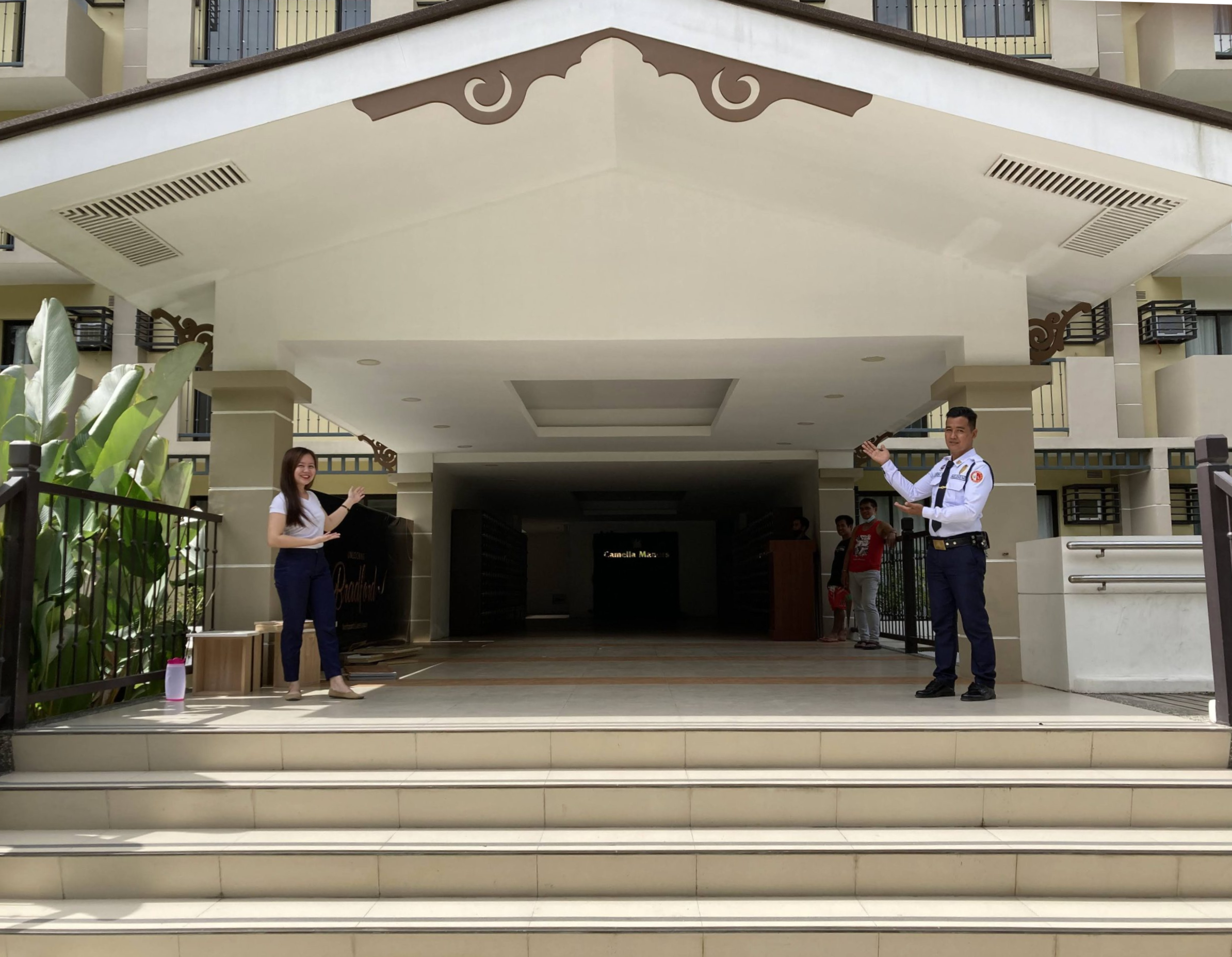
ダバオ市の最も魅力的な特徴のひとつは、その「安全性」です。
東南アジアで3番目に安全な都市として評価されており[1]、地元の人々も外国人も安心して生活できます。市民はとても親しみやすく親切で、昼夜を問わず安心して過ごすことができます。
One of the most appealing characteristics of Davao City is how safe it is. Lauded as the third safest city in Southeast Asia [1], Davao City takes pride in the safety it offers for locals and foreigners alike. Local citizens are sociable and helpful, ensuring a sense of security inside Davao City, no matter the time of day.
さらに、ダバオ市のもう一つの魅力は、市民の高い英語力です[2]。
多くのダバウェンニョ(ダバオ市民)は、地域言語のビサヤ語、母国語のタガログ語、そして第2の公用語である英語[3]を流暢に話します。英語は学校や職場だけでなく、日常生活の中でも頻繁に使われています。そのため、訪問する学生は自然と実用的な英語を使う機会が増え、英語でのコミュニケーション能力と自信を高めることができます。
Aside from the safety Davao offers, another important feature of the city is the citizens’ English proficiency [2]. Most Davaoefios can fluently speak in the following languages: the regional language, Bisaya, the national language, Tagalog, or English, which the Philippines considers to be its second national language [3].
Filipinos use English not only in professional and academic settings, but in everyday situations as well. Thus, visiting students will be encouraged to speak practical English with the locals, further honing their communication skills and boosting their confidence in using the language.
フィリピンの気候は日本とは異なり、「雨季」と「乾季」の2つの季節しかありません。
南部に位置するダバオ市は、ルソン島やビサヤ地方よりも暖かく、一年中夏のような気候が続きます。それでもダバオの天気は穏やかで[4]、ビーチや温泉リゾート、ハイキングなどの屋外活動に最適です。
As a country in Southeast Asia, the weather in the Philippines is unlike Japan’s, the main difference being that the country only has two seasons: wet and dry. Davao City, being in the southern part of the Philippines, has a warmer climate than that of the islands in Luzon and Visayas, making every day feel like summer. In spite of this, the weather in Davao City is generally pleasant [4] and creates the perfect atmosphere for enjoying the outdoor activities, like going to beaches, spring resorts, and hiking, that Davao has to offer.
また、日本との時差がわずか1時間であるため、身体への負担が少なく、日本人留学生や観光客にも人気の都市です。
日本から気軽にアクセスでき、異文化を体験するには理想的な場所です。
Lastly, Davao remains a popular destination for Japanese exchange students and tourists because of the one-hour time difference. Thus, for interested Japanese citizens, experiencing a completely new culture in the Philippines is just a stone’s throw away.
そして、ダバオが他の都市と異なるのは、日本との深いつながりがあるからです。
Beyond what the city has to offer, what sets Davao apart from other cities in the Philippines is its unique history with Japan.
【日本とダバオの絆】
日本とダバオは、長年にわたり深い関係を築いてきました。
かつてダバオ市には多くの日本人移民が住み、アバカ(マニラ麻)の生産に従事していました。彼らは市の南部に「リトル東京」と呼ばれる日本人街を築き、学校・病院・商店などを運営していました[5]。
現在でも、北九州市・泉南市・浜松市がダバオ市と姉妹都市提携を結び、日本との交流は続いています[6][7]。
こうした背景をもとに、ダバオでの短期・長期コースでは、I.F.U が準備した多彩なプログラムを通して、さまざまな学びと体験を得ることができます。
【Japan’s Ties with Davao】
Japan and Davao have close ties with one another. In the past, Davao City had a large population of Japanese immigrants who made a living weaving abaca rope. These immigrants established a “Little Tokyo” in the southern part of the city, having their own schools, hospitals, and shops [5]. Presently, Japan continues to
foster its connections with Davao, having recently partnered with Kitakyushu City, Sennan City, and Hamamatsu City as sister cities [6] [7] .
That said, by enrolling in Davao City’s short- and long-term courses, students will have the opportunity to engage in various activities prepared by the I.F.U.

【ダバオでできること】
ダバオには魅力的なアクティビティが数多くあります。
短期研修に参加する皆さんは、毎日新しい発見と体験に出会えるでしょう。
ここでは、ダバオでおすすめのスポットをいくつか紹介します。
【What to Do in Davao? 】
Davao has a lot to offer, and the I.F.U has curated a few activities that will allow participants of the short course to experience something new here every day! Here’s a sneak peek of the various activities you can take part in and places you should visit in Davao.
マーケット
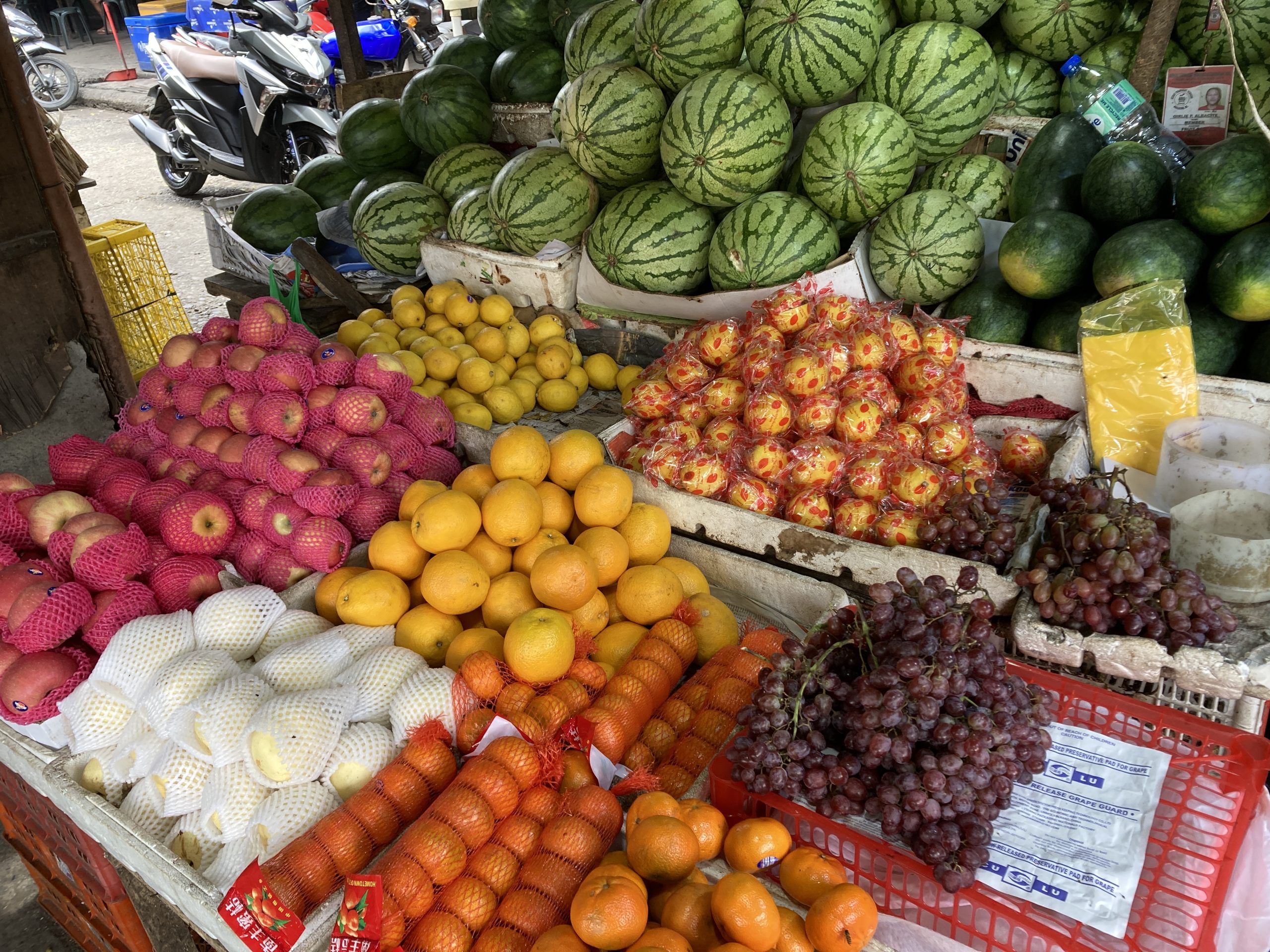
ダバオ市内には多くの市場があり、新鮮な果物や野菜・調味料などを手頃な価格で購入できます [8] 。
Market
There are several markets in Davao City, all of which offer a wide variety of products —from fresh fruits and vegetables, to cooking ingredients —at very reasonable prices [8].
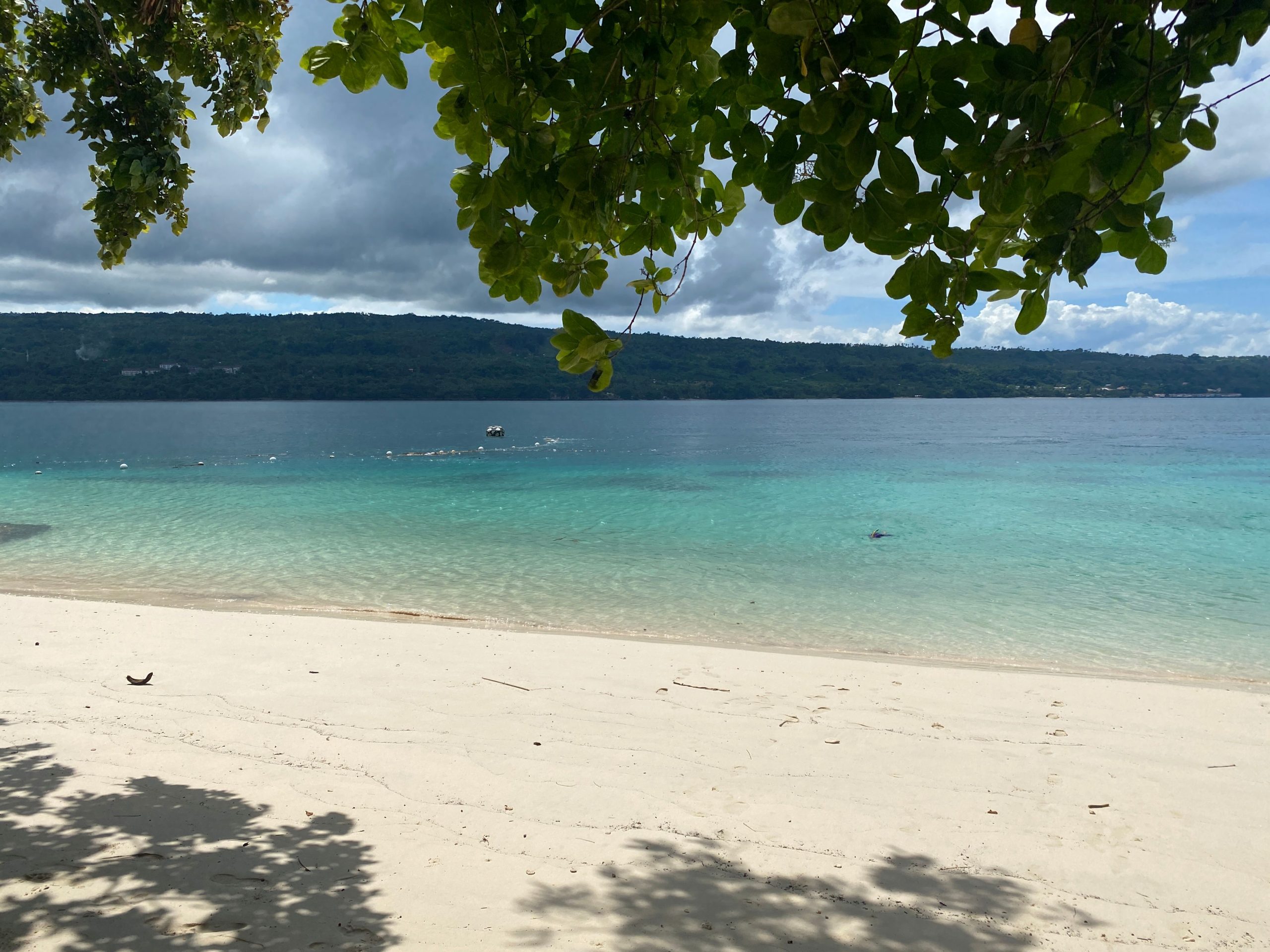
サマール島
フィリピンは美しいビーチで有名です。ダバオ市からボートで約20分の場所にある「サマール島」もそのひとつ。
隣の「タリクド島」では、透き通る海の中でサンゴ礁や多様な海洋生物を見ることができ、シュノーケリングに最適です[9] 。
Samal Island
The Philippines is known for its beautiful beaches, and the Island Garden City of Samal is no exception! Just 20 minutes away from Davao City is Samal Island, where multiple resorts are located.
Another beautiful area is Talicud Island, which is abundant with marine life [9]. Swimming and snorkelling in this island, you can see the vibrant coral reefs and diverse marine life under the sparkling,
turquoise coloured waters.
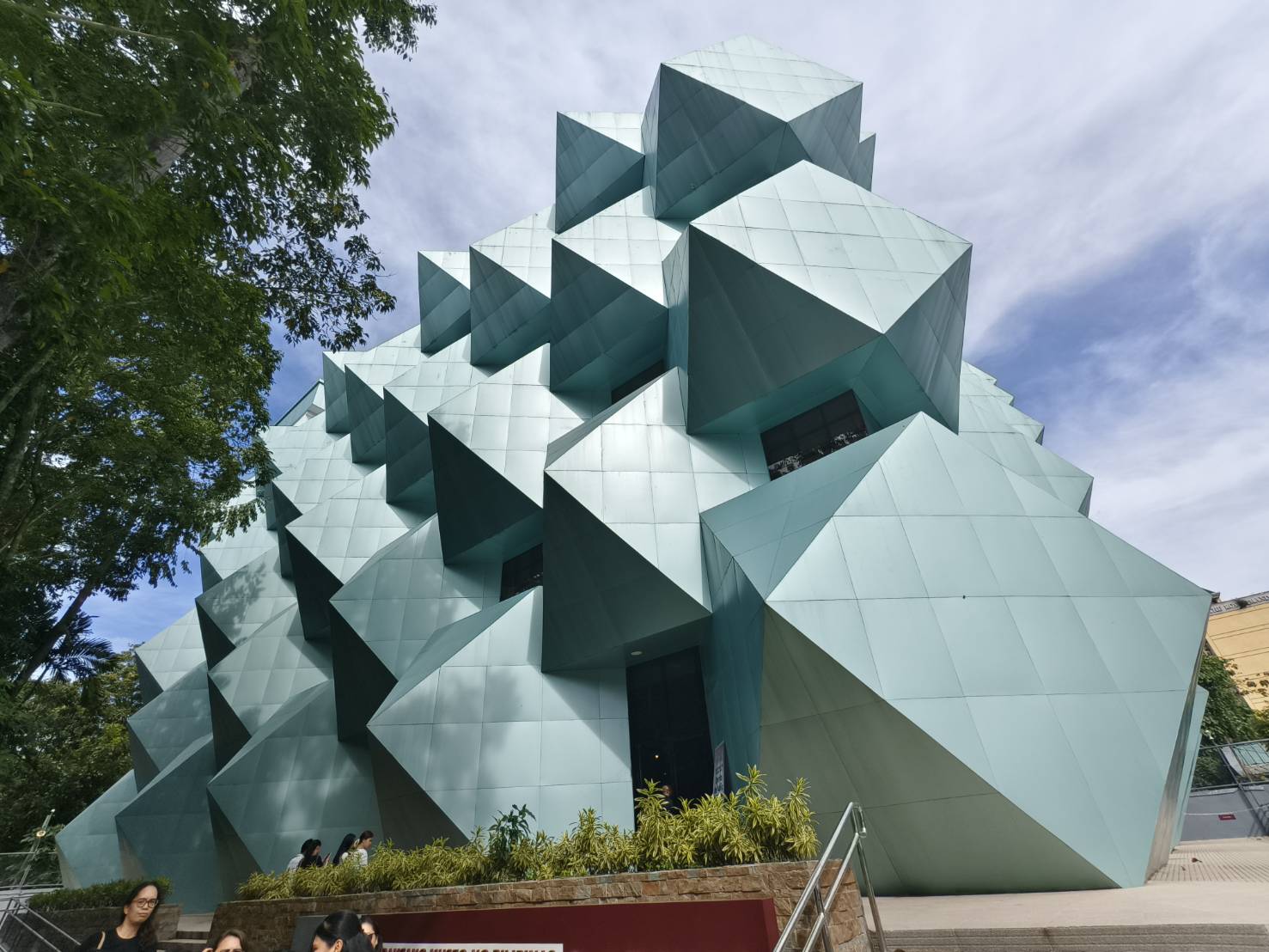
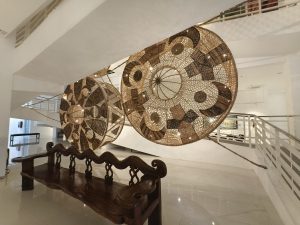
フィリピンダバオ国立博物館
ダバオ最大の博物館で、地域の自然・文化・歴史を学ぶことができます[10]。
展示を通して、ダバオの多文化的背景と豊かな自然環境を体感できます。
National Museum – Davao City
As the biggest museum in Davao City, this building is the best place for students to gain a deeper appreciation of the different cultures present in the region. Inside, the students can learn more about Davao’s natural environment, its first peoples, and its rich history through the many artifacts exhibited by the museum [10].
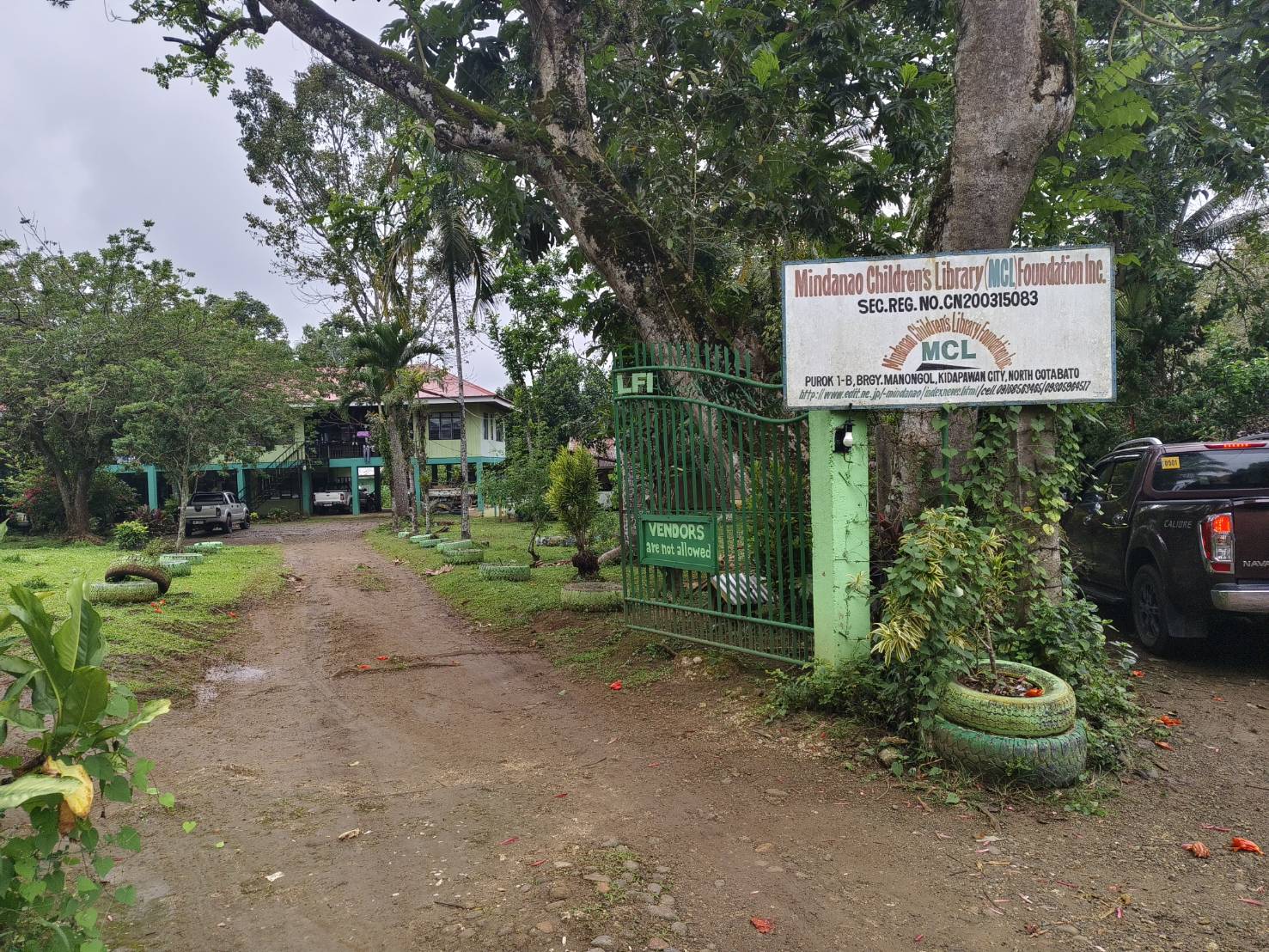
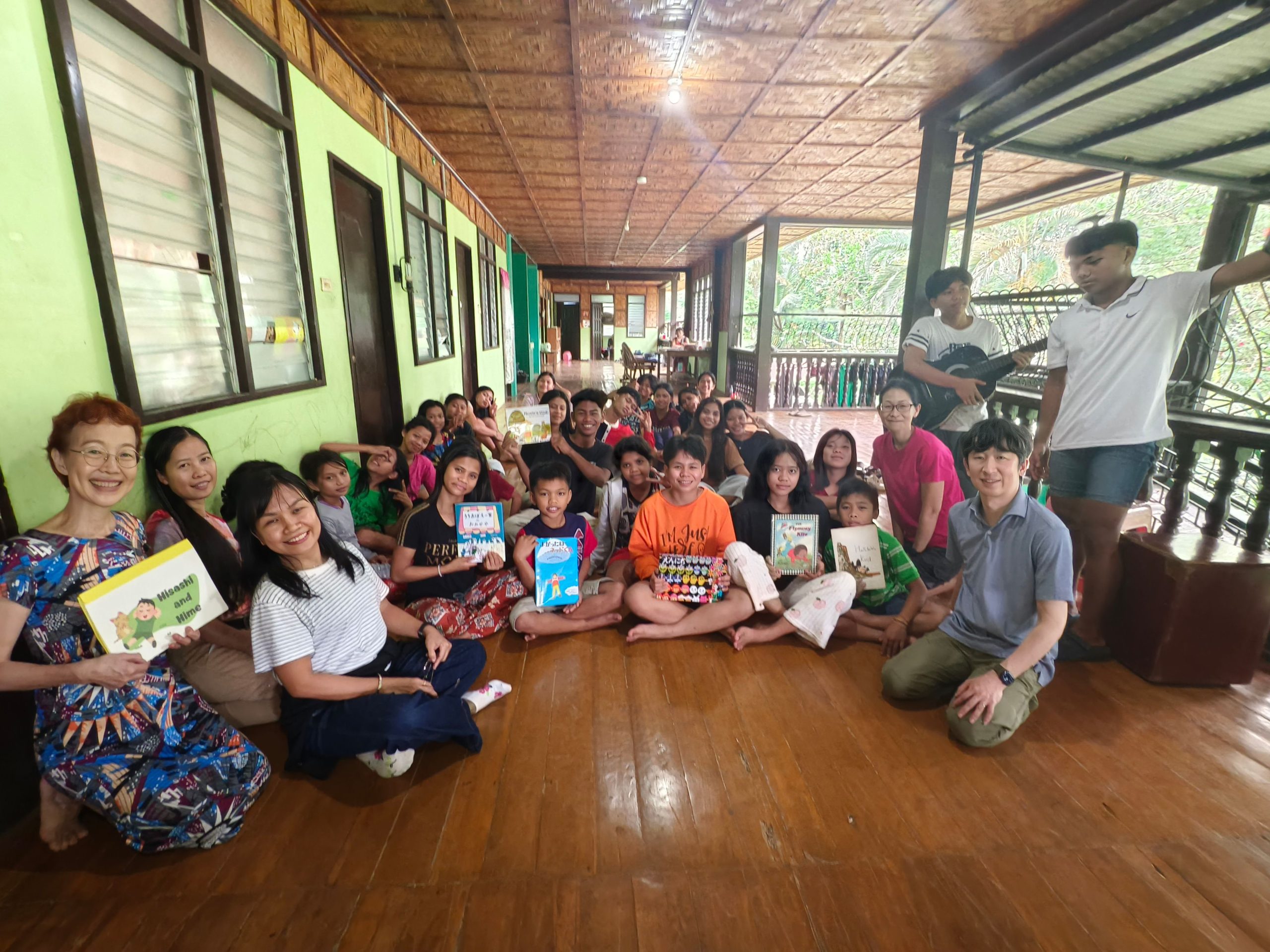
ミンダナオ子ども図書館(MCL)
I.F.U フィリピンオフィスは、日本の児童文学作家・松居友氏とその妻エイプリルリン氏によって2013年に設立されたNGO「ミンダナオ子ども図書館」と提携しています[11]。
ダバオ市から車で約3時間のキダパワン市にあり、明るい笑顔の奨学生たちが迎えてくれます。
学生たちは彼らと交流し、生活の様子や夢を知り、たくましく生きる姿にきっと感動することでしょう。
Mindanao Children’s Library (MCL)
Although not located within Davao City, the I.F.U Philippine Office has partnered with the Mindanao Children’s Library (MCL), a non-governmental organisation (NGO) that was established in 2013 by a Japanese children’s writer, Tomo Matsui, and his wife, Aprilyn Matsui [11]. MCL is based in Kidapawan City, just three to four hours away from Davao City. Here, the Japanese students will
be greeted with the MCL scholars’ bright smiles and positive attitudes. Staying at MCL also gives visiting students the chance to interact with MCL scholars, learn about their way of life, and be inspired by their stories of resilience and hope.
ダバオ市内の交通手段
広いダバオ市内では、さまざまな交通手段が利用されています。
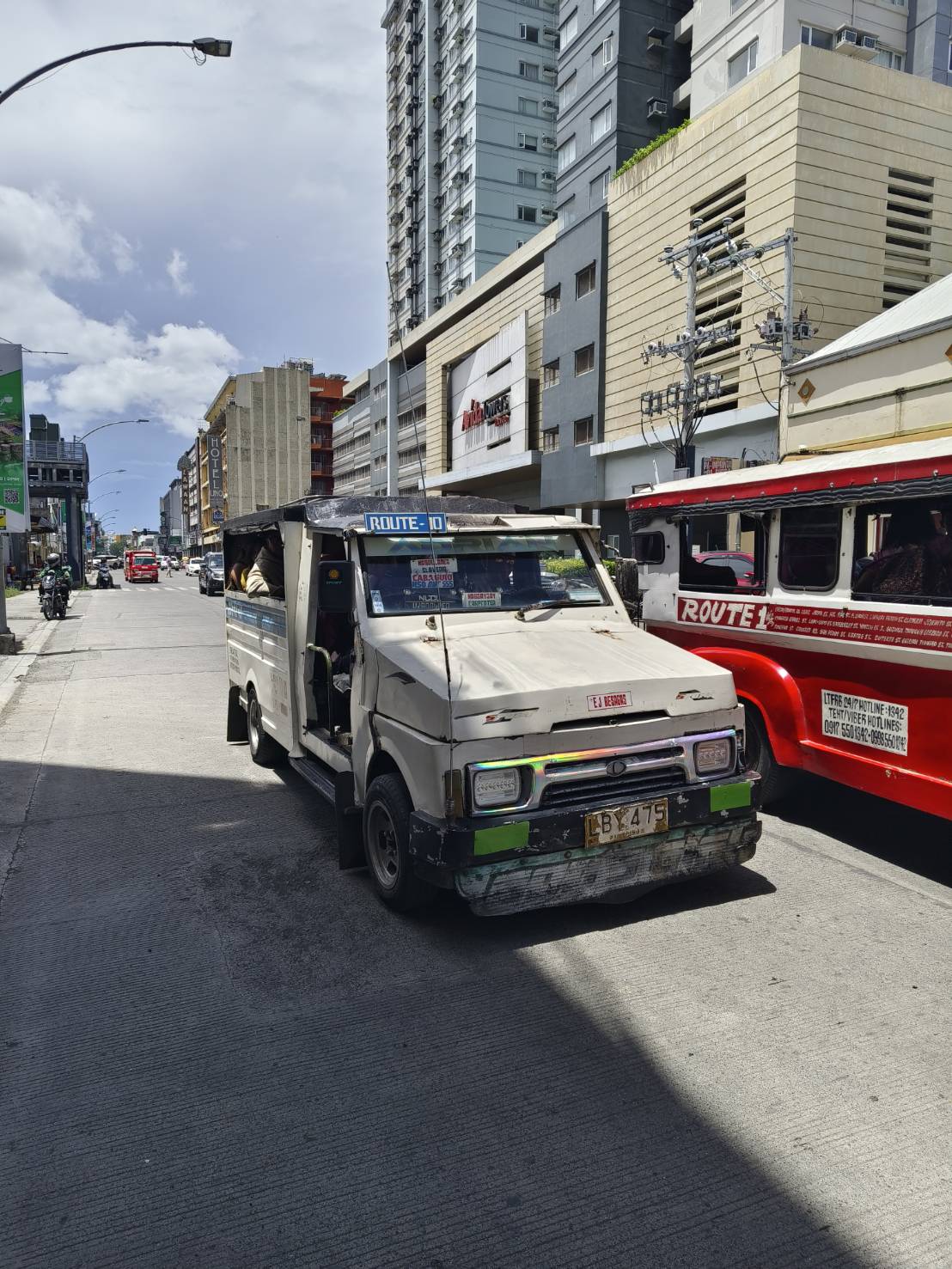
最も一般的なのは「ジプニー」と呼ばれる乗合バスで、フィリピン文化の象徴でもあります。安くて便利で、市内の主要道路を走っています。
タクシーは4人まで乗車可能で、日本よりも料金が安く、初乗り50ペソ(約130円)+1kmあたり13.50ペソ(約35円)です。
近年では「Grab」という配車アプリも普及し、安全で快適な移動手段として人気があります(料金はやや高めです)。
また、「トライシクル」や「トライシカッド」と呼ばれる三輪車も住宅地などで利用できます[12]。
How to Get Around?
The size of Davao necessitates different methods of transportation. The major mode of travel is by jeepneys, which is an icon in Philippine culture. It is cheap, accessible, and can be found on most thoroughfares in the city. While the jeepney can transport a large number of people at a time, taxis are able to accommodate only up to four passengers. Unlike taxis in Japan, Philippine taxis are cheaper, only costing 13.50 Pesos (~35 JPY) per kilometer, on top of a flag-down rate of 50 Pesos (~130 JPY). Another type of service that is becoming more popular in Davao City is Grab, which is a ride-hailing application that allows users a more secure way of traveling, albeit at a higher price than other ways to commute. Lastly, tricycles and trisikads, named after their signature three-wheeled construction, can be found in the innermost parts of the city, like residential areas where jeepneys are not allowed [12].
ようこそ、ダバオへ!
ダバオは、学びと発見に満ちた素晴らしい街です。
この若く活気あふれる都市で、ぜひ貴重な体験を積んでください。
I.F.U フィリピンオフィスのスタッフ一同、皆さまを心よりお待ちしています。
Welcome to Davao!
Davao City is a truly wonderful place with many opportunities for valuable learning experiences to occur. Should you choose to come to Davao, the I.F.U Philippine Office will welcome you warmly and will strive to give you a wonderful time in this young, lively, and exciting city.
参考資料
- Numbeo — “Crime Rankings by Region”
- Cornell Asian Studies — “Tagalog Research”
- Cervantes, M. F. — “SWS: 47% of Filipinos ‘competent’ with English language”
- Discover Davao — “Understanding the Weather Patterns of Davao Region”
- Evelina, A., Campado, A. — Barangay Mintal, Davao City: The Little Tokyo of Prewar Philippines
- Embassy of Japan — “Davao-Japan Exchange”
- SunStar — “Davao City Eyes to Visit 3 Japan Cities in April”
- TripAdvisor — “Bankerohan Public Market Reviews”
- Samal City Government — https://www.samalcity.gov.ph/
- National Museum of the Philippines — https://www.nationalmuseum.gov.ph/nmp-davao/
- Mindanao Children’s Library — https://mindanaochildrenslibrary.com/
- OpenStreetMap — “Davao City Public Transportation”